Best Books for Students (2026): Learning, Med School and Psychology Picks
These 12 picks total about 80 h 54 min at the average 238 WPM; every one is backed by a verifiable award, bestseller run or public recommendation.
These 12 picks are grouped for three kinds of student: those looking to study more effectively, those heading into medicine, and those studying psychology. Every book is written by the researcher or practitioner whose own work the book covers, not a generalist writing about someone else's field: a cognitive scientist on retrieval practice, a practising surgeon on end-of-life care, a Nobel laureate on decision-making.
One entry, Why We Sleep, carries a visible caveat rather than a blanket endorsement: a widely circulated critique documented factual errors in the book, so it is included with that context rather than presented as unimpeachable.
Each pick here is written by the researcher or practising professional behind the subject matter, an academic whose own studies the book draws on, a surgeon or neurologist writing from direct clinical experience, or a Nobel laureate writing on their own prize-winning field, or is the companion text to a documented massive open online course.
Last reviewed 18 July 2026.
Some links on this page are Amazon affiliate links. If you buy through them, Read Fast earns a small commission at no extra cost to you. Read our affiliate disclosure.
Books on this list
12
Total reading time at 238 WPM
80 h 54 min
At 400 WPM that drops to 48 h 8 min.
Study and learning
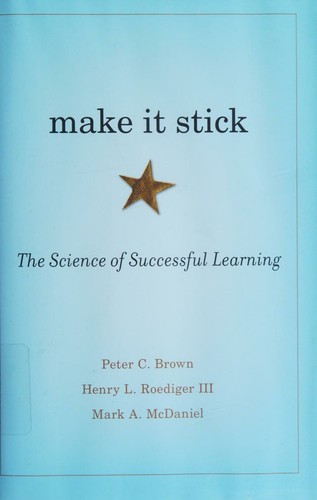
Make It Stick: The Science of Successful Learning
Peter C. Brown, Henry L. Roediger III, Mark A. McDaniel · 2014
Co-authored by Henry Roediger III and Mark McDaniel, cognitive psychologists at Washington University in St. Louis whose own retrieval-practice research underpins the book's central claims.
How long does it take to read Make It Stick: The Science of Successful Learning? About 6 h 28 min at the average reading speed of 238 words per minute (336 pages), or around 3 h 51 min at a trained 400 WPM.
Source: verify this claim
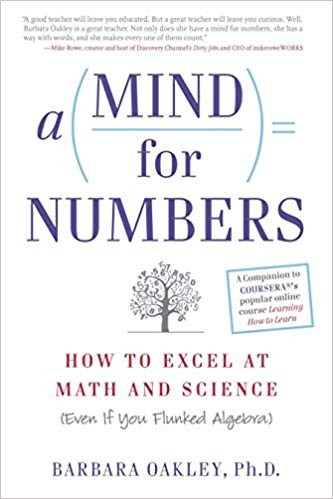
A Mind for Numbers: How to Excel at Math and Science (Even If You Flunked Algebra)
Barbara Oakley · 2014
Written as the companion book to Coursera's 'Learning How to Learn', which Oakley co-created and which is documented as the most-enrolled massive open online course in the world.
How long does it take to read A Mind for Numbers: How to Excel at Math and Science (Even If You Flunked Algebra)? About 6 h 28 min at the average reading speed of 238 words per minute (336 pages), or around 3 h 51 min at a trained 400 WPM.
Source: verify this claim
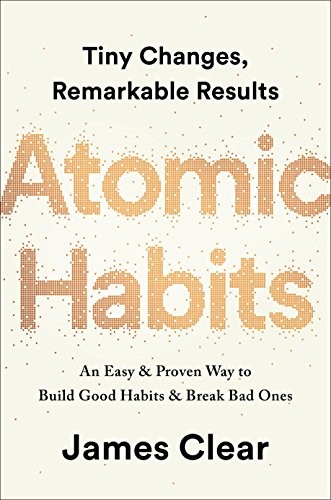
Atomic Habits: An Easy & Proven Way to Build Good Habits & Break Bad Ones
James Clear · 2018
Publisher-verified sales of over 25 million copies worldwide across 60+ languages, per James Clear's own tracked milestones page.
How long does it take to read Atomic Habits: An Easy & Proven Way to Build Good Habits & Break Bad Ones? About 6 h 10 min at the average reading speed of 238 words per minute (320 pages), or around 3 h 40 min at a trained 400 WPM.
Source: verify this claim
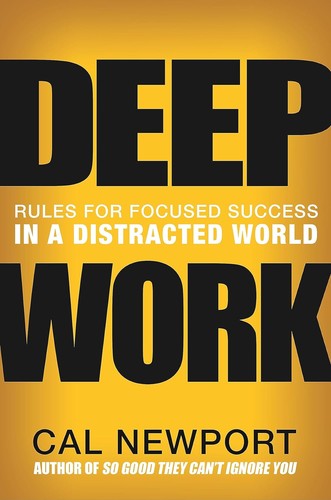
Deep Work: Rules for Focused Success in a Distracted World
Cal Newport · 2016
Written by Cal Newport, an associate professor of computer science at Georgetown University, drawing on his own academic research habits to build the book's framework.
How long does it take to read Deep Work: Rules for Focused Success in a Distracted World? About 5 h 51 min at the average reading speed of 238 words per minute (304 pages), or around 3 h 29 min at a trained 400 WPM.
Source: verify this claim
For medical students
The House of God
Samuel Shem · 1978
A cult classic that appears repeatedly on curated 'books every medical student should read' lists for its unflinching depiction of internship culture and burnout.
How long does it take to read The House of God? About 7 h 21 min at the average reading speed of 238 words per minute (382 pages), or around 4 h 23 min at a trained 400 WPM.
Source: verify this claim
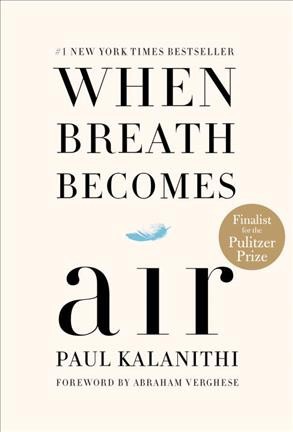
When Breath Becomes Air
Paul Kalanithi · 2016
Written by Paul Kalanithi, a Stanford-trained neurosurgeon, and published as a Pulitzer Prize finalist in the Biography category.
How long does it take to read When Breath Becomes Air? About 4 h 23 min at the average reading speed of 238 words per minute (228 pages), or around 2 h 37 min at a trained 400 WPM.
Source: verify this claim
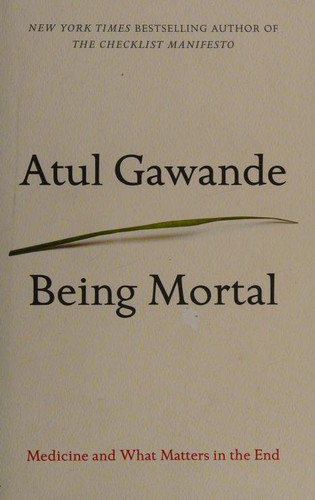
Being Mortal: Medicine and What Matters in the End
Atul Gawande · 2014
Written by Atul Gawande, a practising surgeon and professor at Harvard Medical School, and used in medical school book clubs such as Weill Cornell's.
How long does it take to read Being Mortal: Medicine and What Matters in the End? About 5 h 51 min at the average reading speed of 238 words per minute (304 pages), or around 3 h 29 min at a trained 400 WPM.
Source: verify this claim
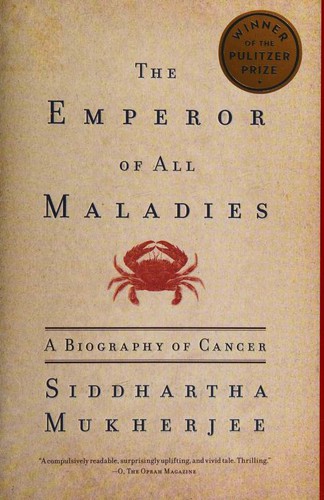
The Emperor of All Maladies: A Biography of Cancer
Siddhartha Mukherjee · 2010
Won the 2011 Pulitzer Prize for General Nonfiction, awarded to oncologist and Columbia University professor Siddhartha Mukherjee.
How long does it take to read The Emperor of All Maladies: A Biography of Cancer? About 11 h at the average reading speed of 238 words per minute (571 pages), or around 6 h 33 min at a trained 400 WPM.
Source: verify this claim
For psychology students
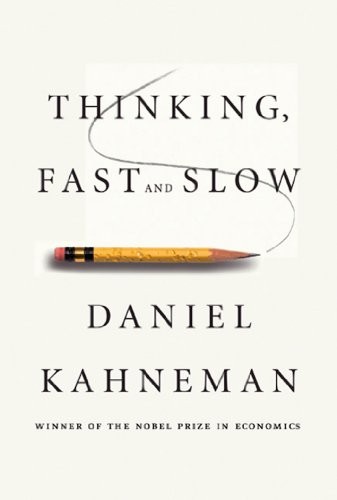
Thinking, Fast and Slow
Daniel Kahneman · 2011
Written by Daniel Kahneman, winner of the 2002 Nobel Memorial Prize in Economic Sciences for his work on judgment and decision-making, the subject matter of this book.
How long does it take to read Thinking, Fast and Slow? About 9 h 37 min at the average reading speed of 238 words per minute (499 pages), or around 5 h 43 min at a trained 400 WPM.
Source: verify this claim
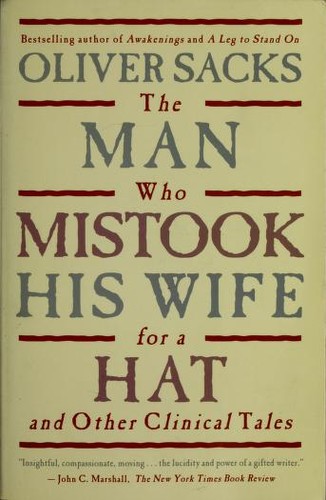
The Man Who Mistook His Wife for a Hat and Other Clinical Tales
Oliver Sacks · 1985
Written by Oliver Sacks, a practising neurologist for almost fifty years, and cited as a go-to text for clinical psychology students for its case-study format.
How long does it take to read The Man Who Mistook His Wife for a Hat and Other Clinical Tales? About 4 h 29 min at the average reading speed of 238 words per minute (233 pages), or around 2 h 40 min at a trained 400 WPM.
Source: verify this claim
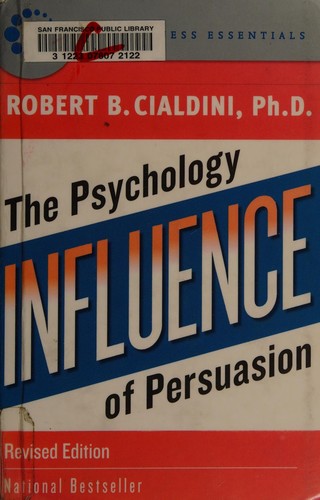
Influence: The Psychology of Persuasion
Robert B. Cialdini · 2006
Written by Robert Cialdini, Regents' Professor Emeritus of Psychology and Marketing at Arizona State University, whose six-principles framework remains a staple citation in social psychology courses.
How long does it take to read Influence: The Psychology of Persuasion? About 6 h 10 min at the average reading speed of 238 words per minute (320 pages), or around 3 h 40 min at a trained 400 WPM.
Source: verify this claim
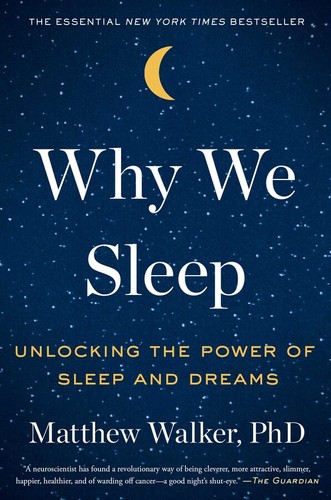
Why We Sleep: The New Science of Sleep and Dreams
Matthew Walker · 2017
Written by Matthew Walker, a UC Berkeley professor of neuroscience and psychology; note for editorial caution: a widely circulated critique by researcher Alexey Guzey documented factual errors in the book, so present it with a caveat rather than as an unimpeachable source.
Worth reading alongside its criticism: sleep researcher Alexey Guzey published a widely circulated critique documenting factual errors in the book, so treat its more striking claims as a starting point for further reading rather than settled science.
How long does it take to read Why We Sleep: The New Science of Sleep and Dreams? About 7 h 5 min at the average reading speed of 238 words per minute (368 pages), or around 4 h 13 min at a trained 400 WPM.
Source: verify this claim
How Long Would the Whole List Take?
Based on 1,155,275 total words across every book on this list.
| Reading speed | Speed band | Total time |
|---|---|---|
| 200 WPM | Slower than average | 96 h 16 min |
| 238 WPM | Average adult (Brysbaert, 2019) | 80 h 54 min |
| 400 WPM | Fast reader | 48 h 8 min |
| 600 WPM | Trained speed reader | 32 h 5 min |
Most people can roughly double their reading speed with practice. Take the 2-minute speed test to see where you are.
Take the 2 minute speed test and this page will show your own times.
Test your reading speed
Get a real WPM score with a comprehension check in about a minute, no signup.
Students FAQ
How many books are on this list?
This page covers 12 books.
How long would it take to read them all at 238 WPM?
Reading every book on this list back to back comes to roughly 80 h 54 min at the average adult reading speed of 238 words per minute (Brysbaert, 2019), or about 48 h 8 min at a trained speed reader's pace of 400 WPM. Your own time will vary with your reading speed and how closely you read each one.
How were the Students picks chosen?
Each pick here is written by the researcher or practising professional behind the subject matter, an academic whose own studies the book draws on, a surgeon or neurologist writing from direct clinical experience, or a Nobel laureate writing on their own prize-winning field, or is the companion text to a documented massive open online course. No book is included on vibes alone: every pick links to the award, official pick announcement, or bestseller record backing it up.
More Book Recommendations
Looking for a specific person's picks instead? See our Famous Reading Lists.